Volt

Your land is ready to do more.

What we do

A paddock that pays. A neighbour's lights kept on through the evening. A grid that holds when the season turns. This is the work. Quietly, patiently, alongside the people whose land carries it.

Energy that grows where you already are. From a paddock on the edge of town to the roof above your head, Volt builds power where it's actually used.

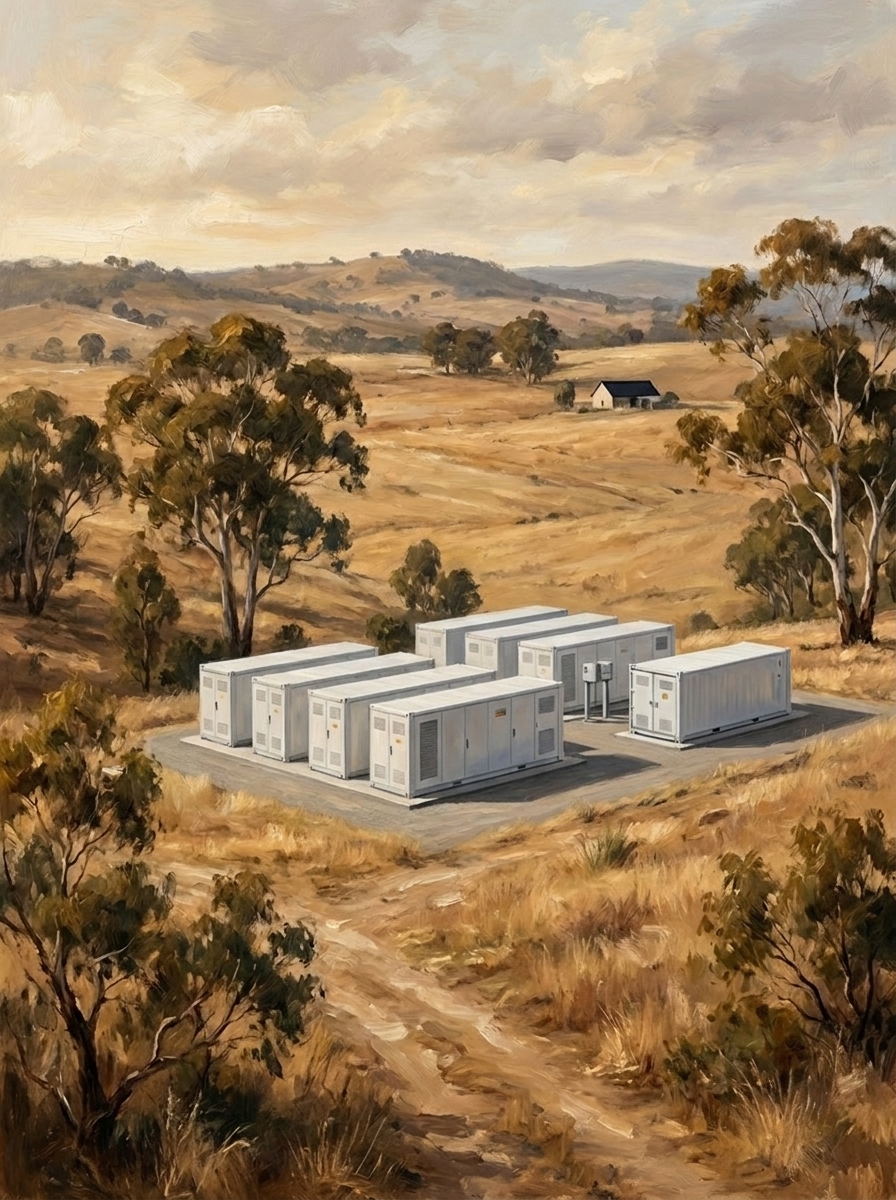
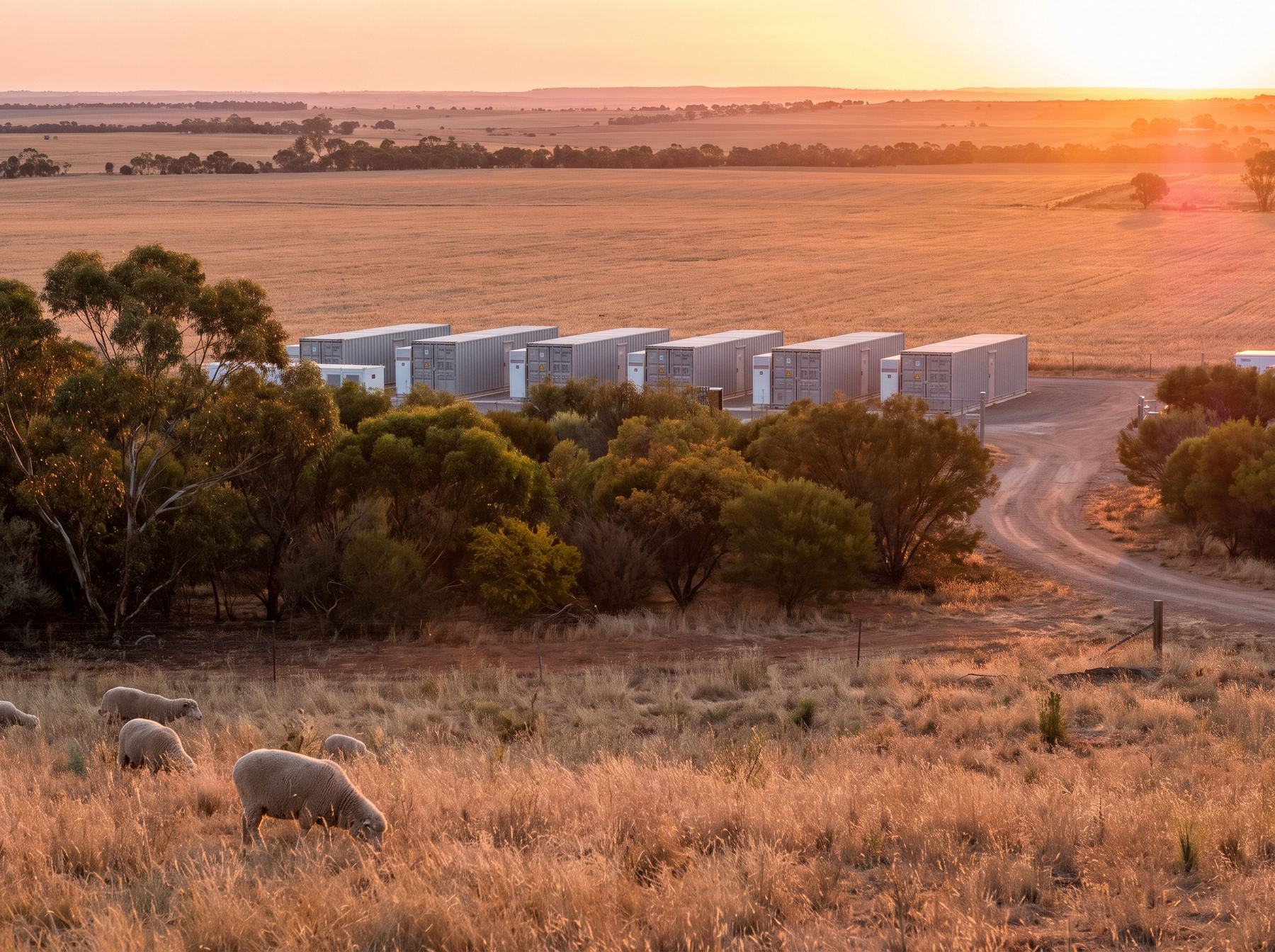
Oil painting of a Volt Reserve battery storage installation in regional Australian farmland, with the cottage in the distance

Power for when the grid fails.

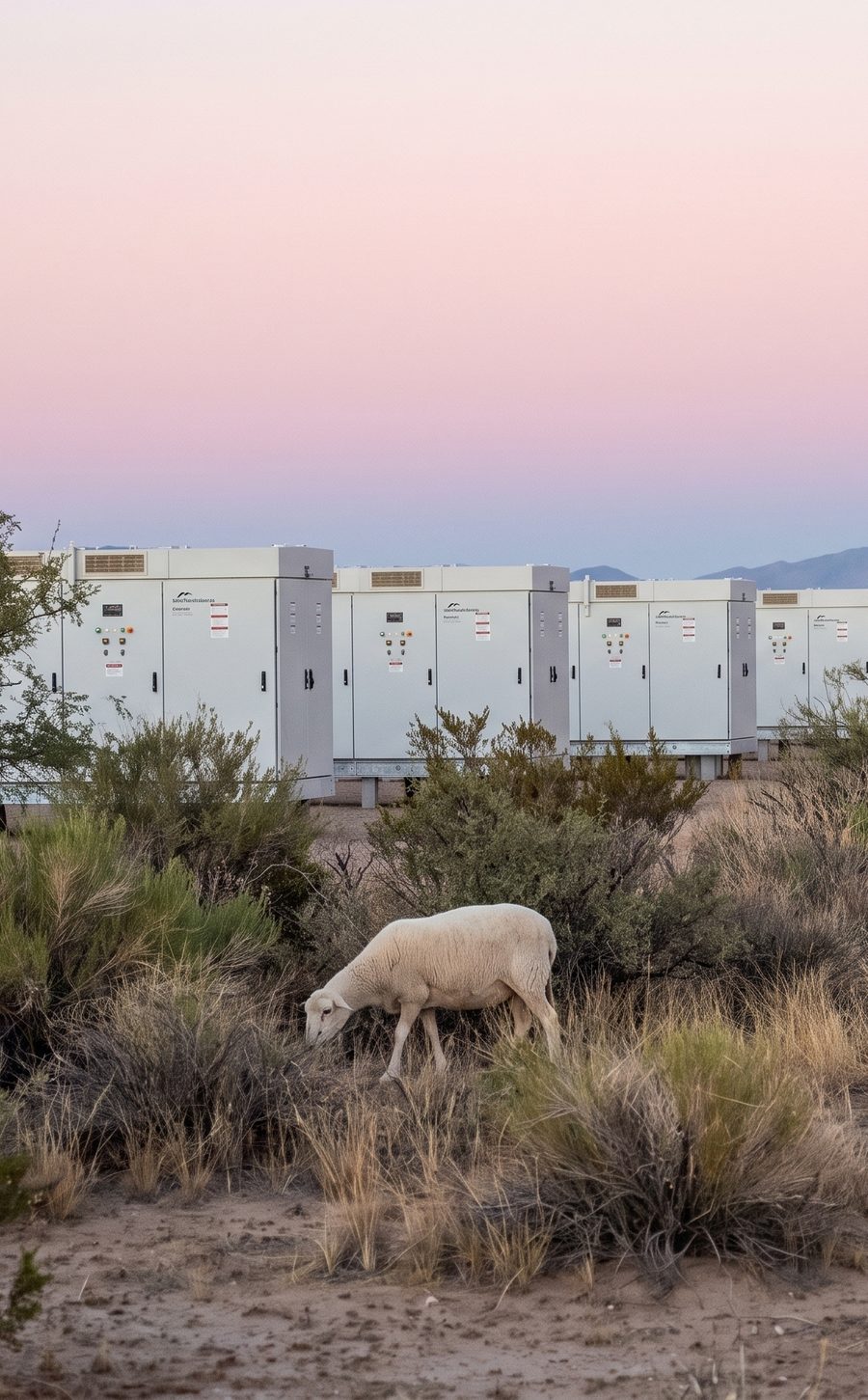
A battery doesn't make energy. It saves it. When a storm takes a line down, or the grid stretches thin, Reserve quietly releases yesterday's solar back into the homes and businesses that need it most.

A thirty-year handshake. Long enough to plan a generation around. Honest enough to walk away from.

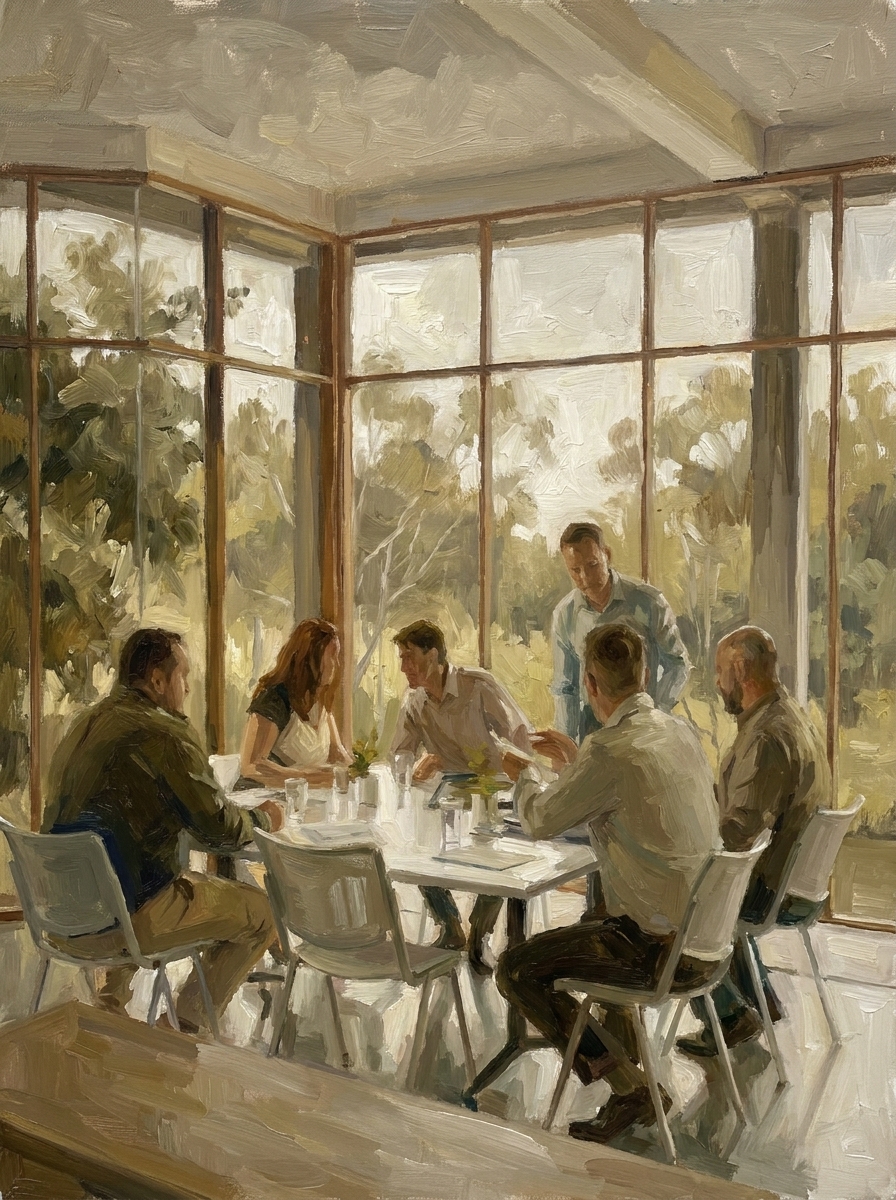
Oil painting of a Volt team meeting around a table in a glass-walled room with eucalyptus trees outside

We carry the technical weight.

The planning approvals. The grid connection. The engineering, the environmental reports, the council conversations. None of that lands on the landowner. That's what we're here for.

What we build
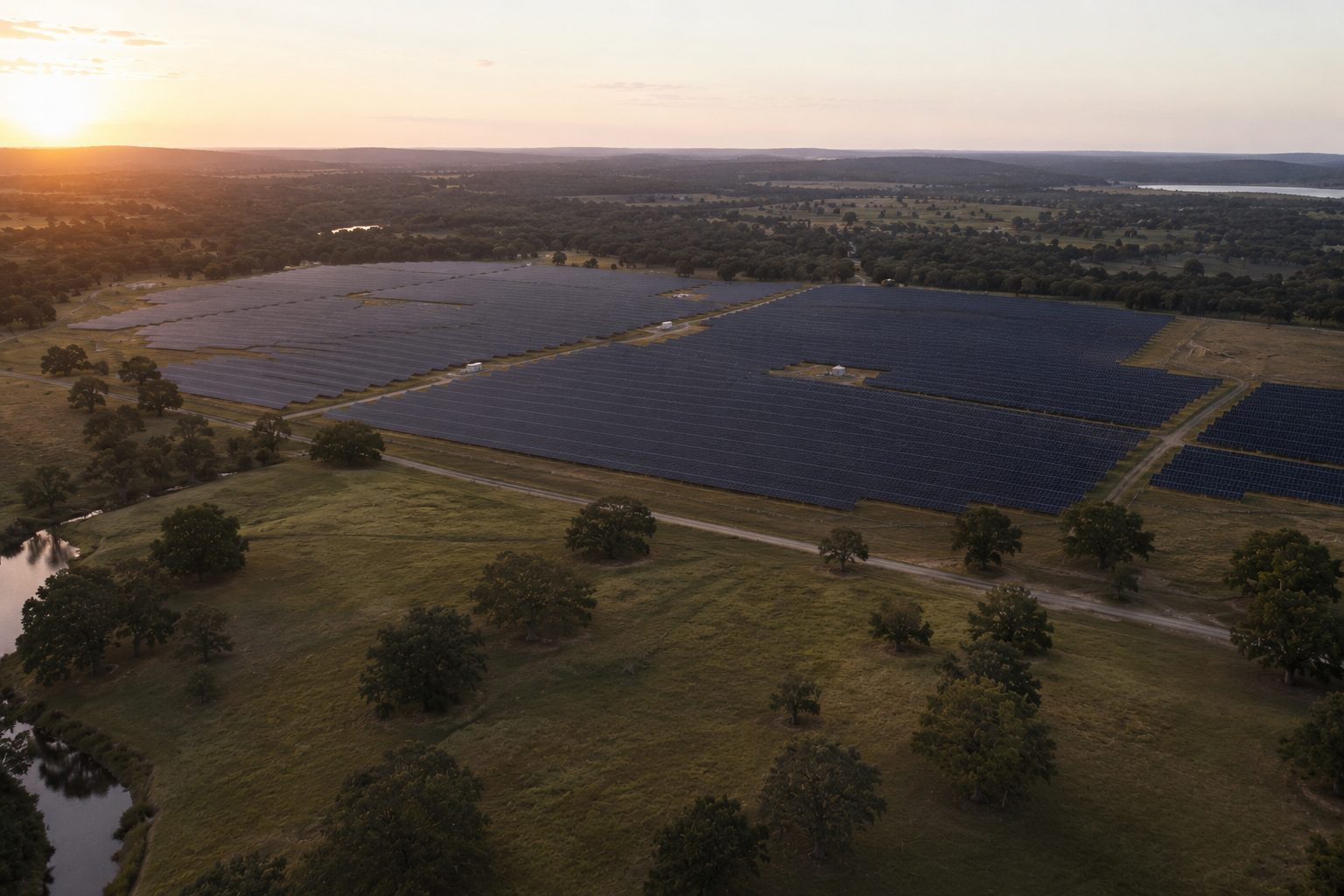
Aerial view of a utility-scale Volt solar farm at golden hour
/01 Generation

Volt Solar Farms

A paddock that earns its rent while the sun's up. Rows of panels at hip-height, hedges around the edges, sheep underneath. The land keeps living, it just goes to work too.

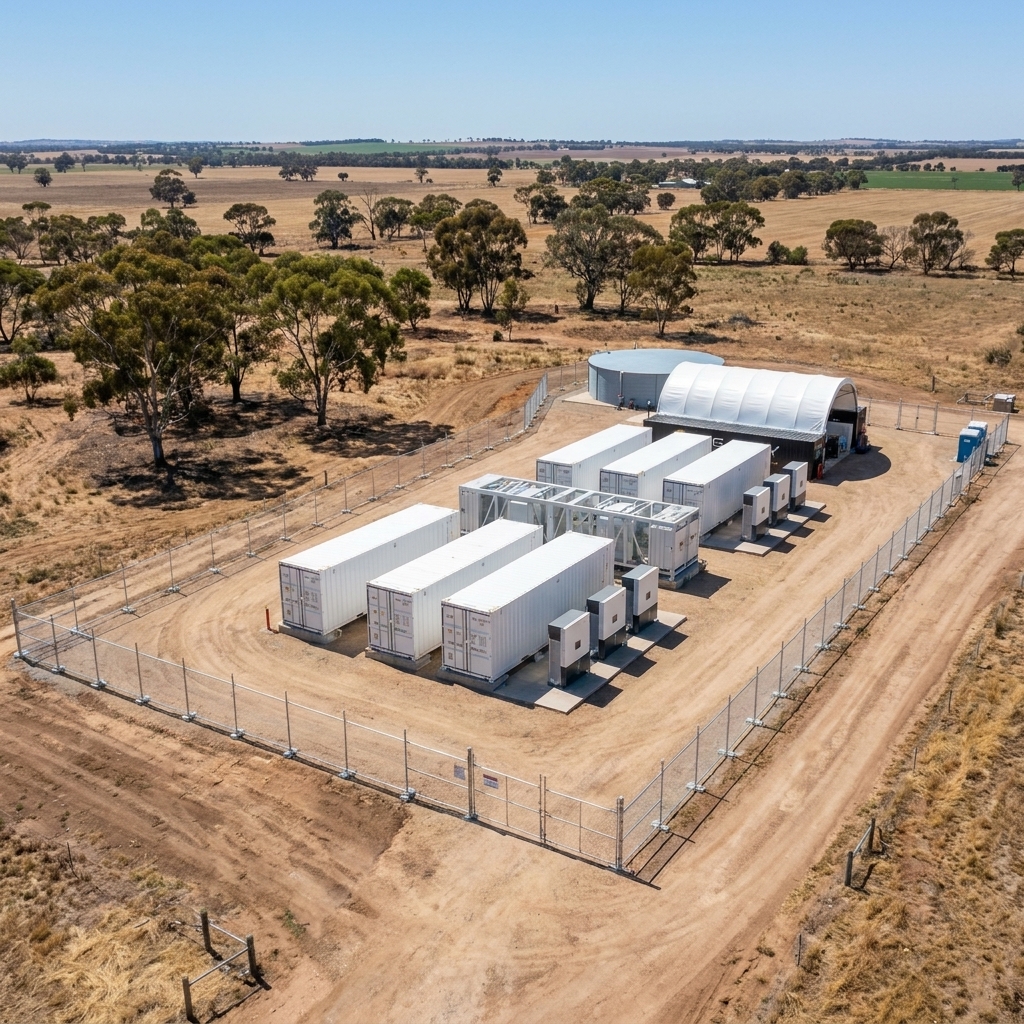
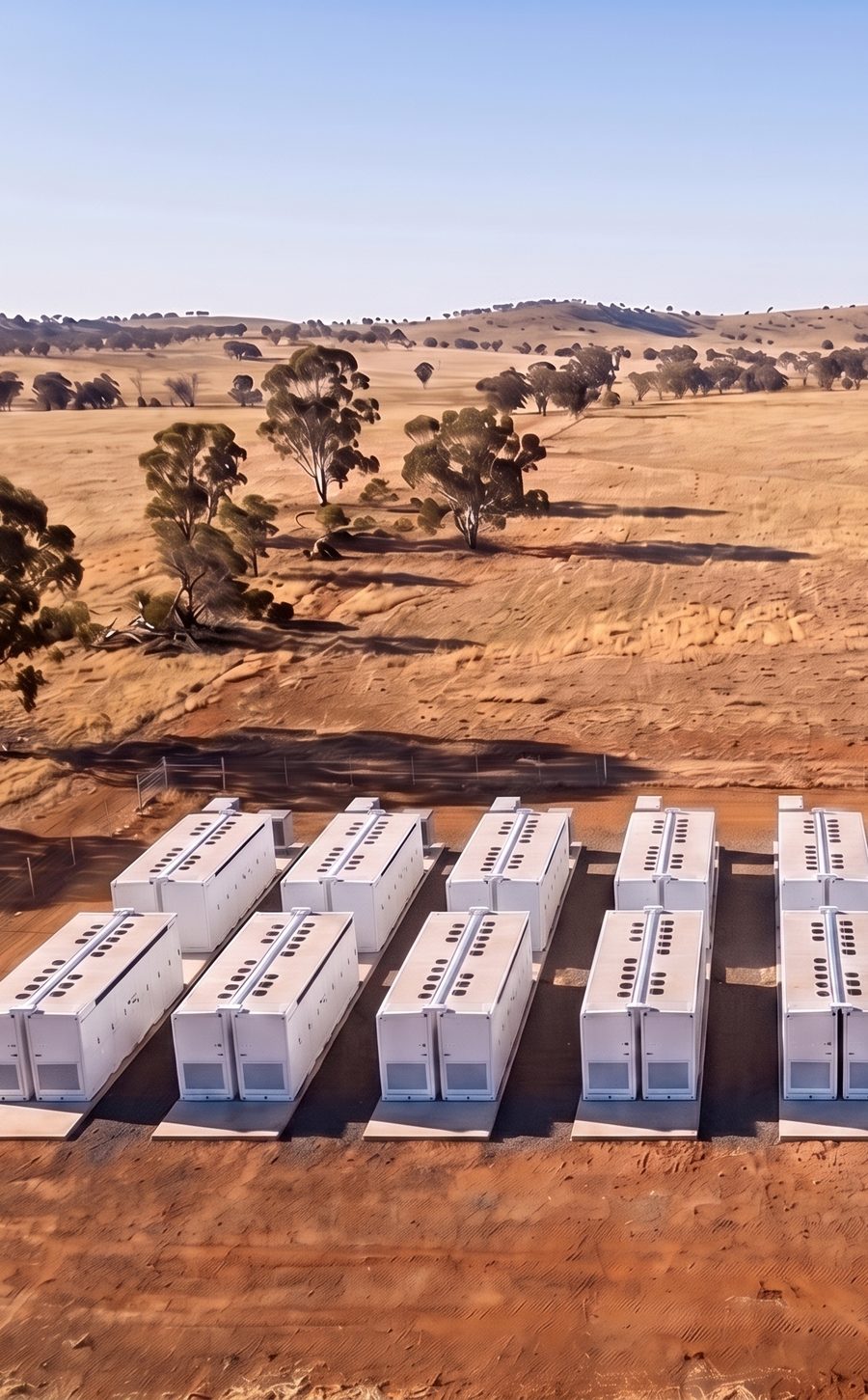
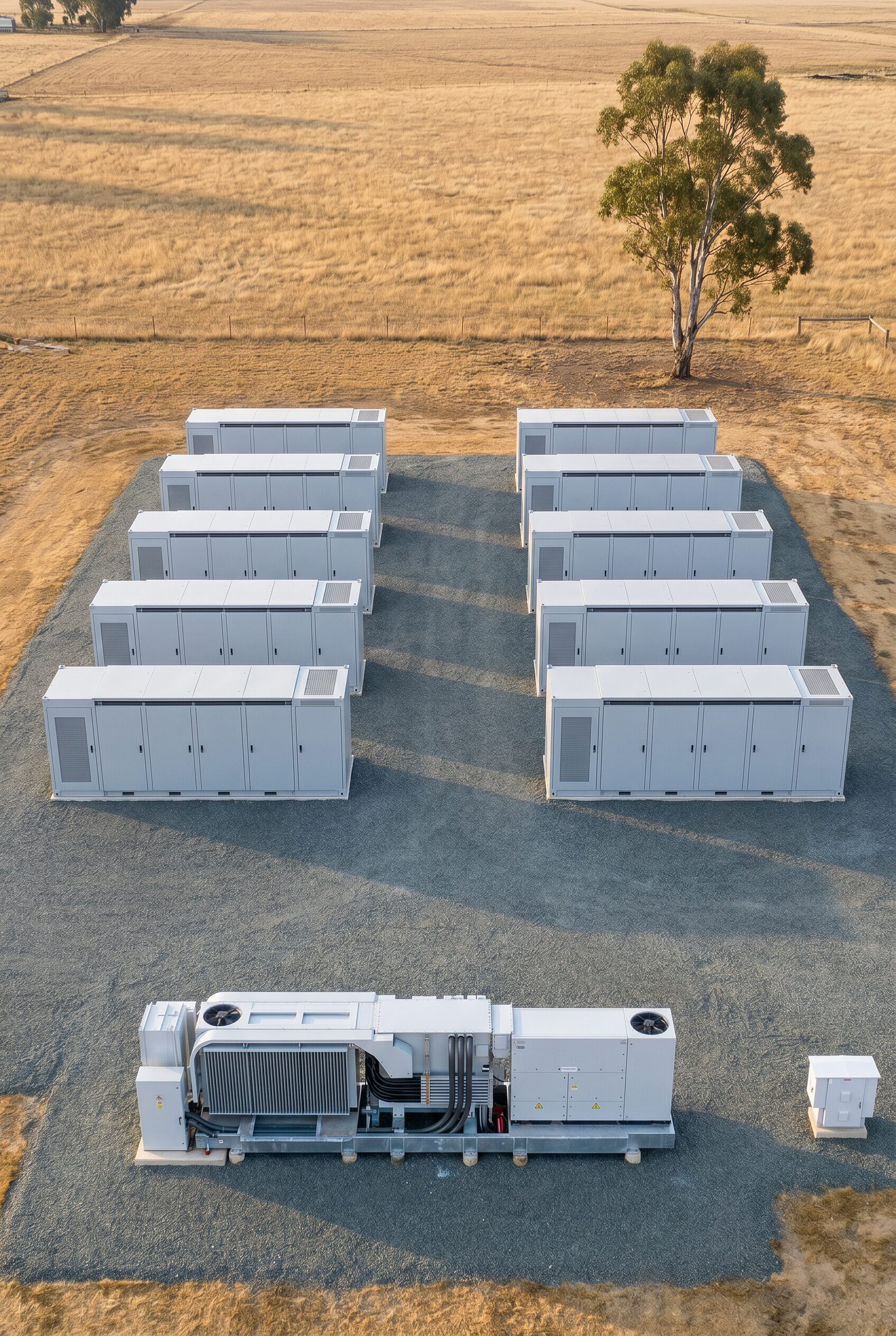
Aerial photograph of a Volt Reserve battery storage facility in regional Australian farmland
/02 Storage

Volt Reserve

A battery doesn't make energy. It saves it. When a storm takes a line down or the grid stretches thin, Reserve releases yesterday's solar back into the homes that need it.

Why Volt

Local hands. Patient work. People who answer the phone.


Australian, here to stay

Our office is here, our team is here, the projects we build are here. When something needs to be talked through, it's a local conversation, not a call to an overseas head office.


One team, end to end

The site visit, the council paperwork, the wiring into the grid, the construction crew, the people who keep it running for thirty years, all the same team. No handoffs that leave you in the middle.


Years of quiet work

A growing portfolio of solar farms and Reserve batteries across regional Victoria and beyond. We build slowly, on purpose. These projects are meant to outlast us.

Thirty quiet years of a second income, without giving up the farm. A solar lease doesn't replace what your land already does. It runs alongside it. The grass keeps growing, the sheep keep grazing, and a steady payment lands every quarter, through drought, through frost, through whatever the season turns out to be.

For landowners

Built around the farm. Finished without a trace.

A solar lease runs alongside your land without changing what it already is. Thirty quiet years of a second income. Here's what that means in practice.
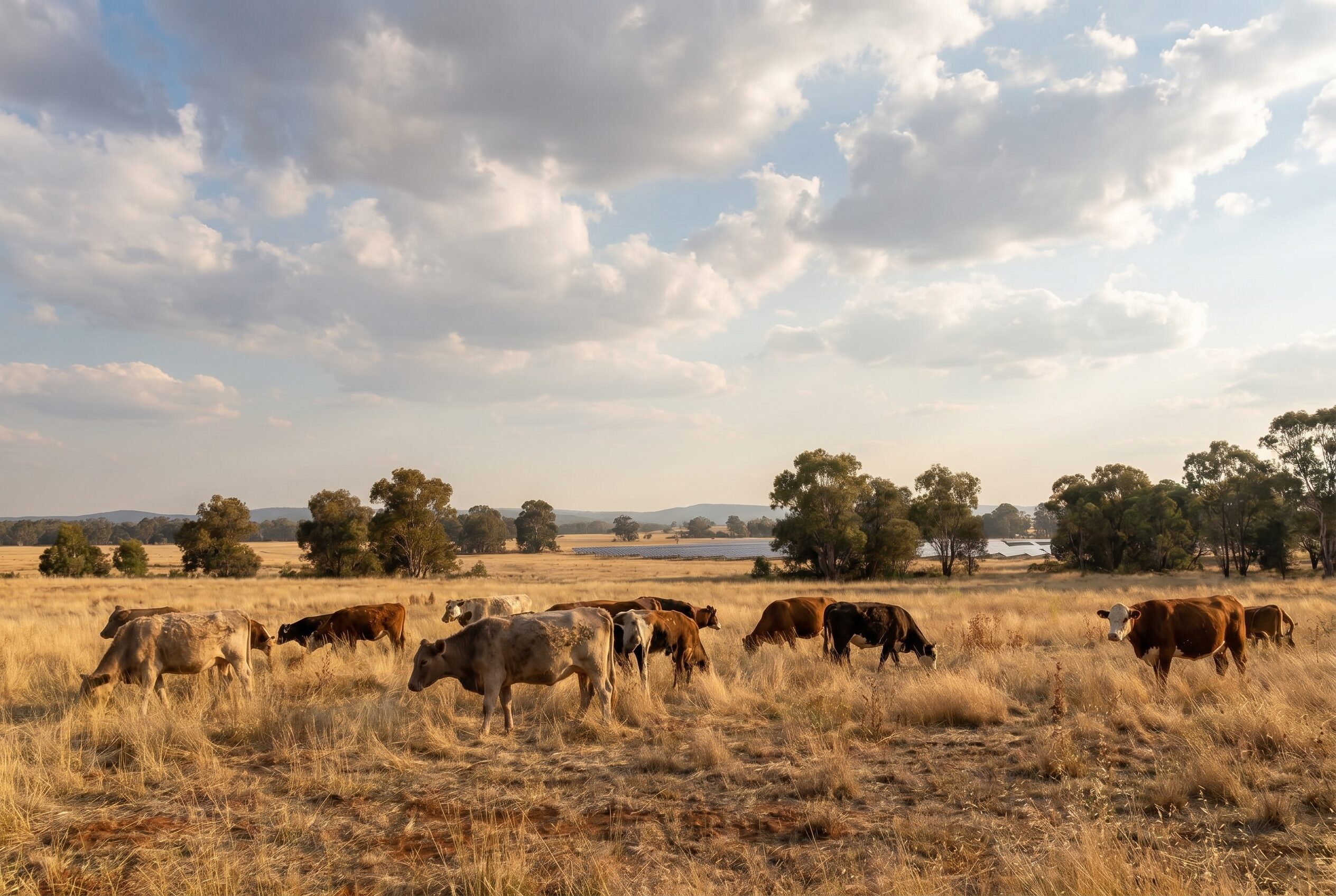
Cattle grazing dry summer grassland with the Volt solar farm sitting low in the distance.
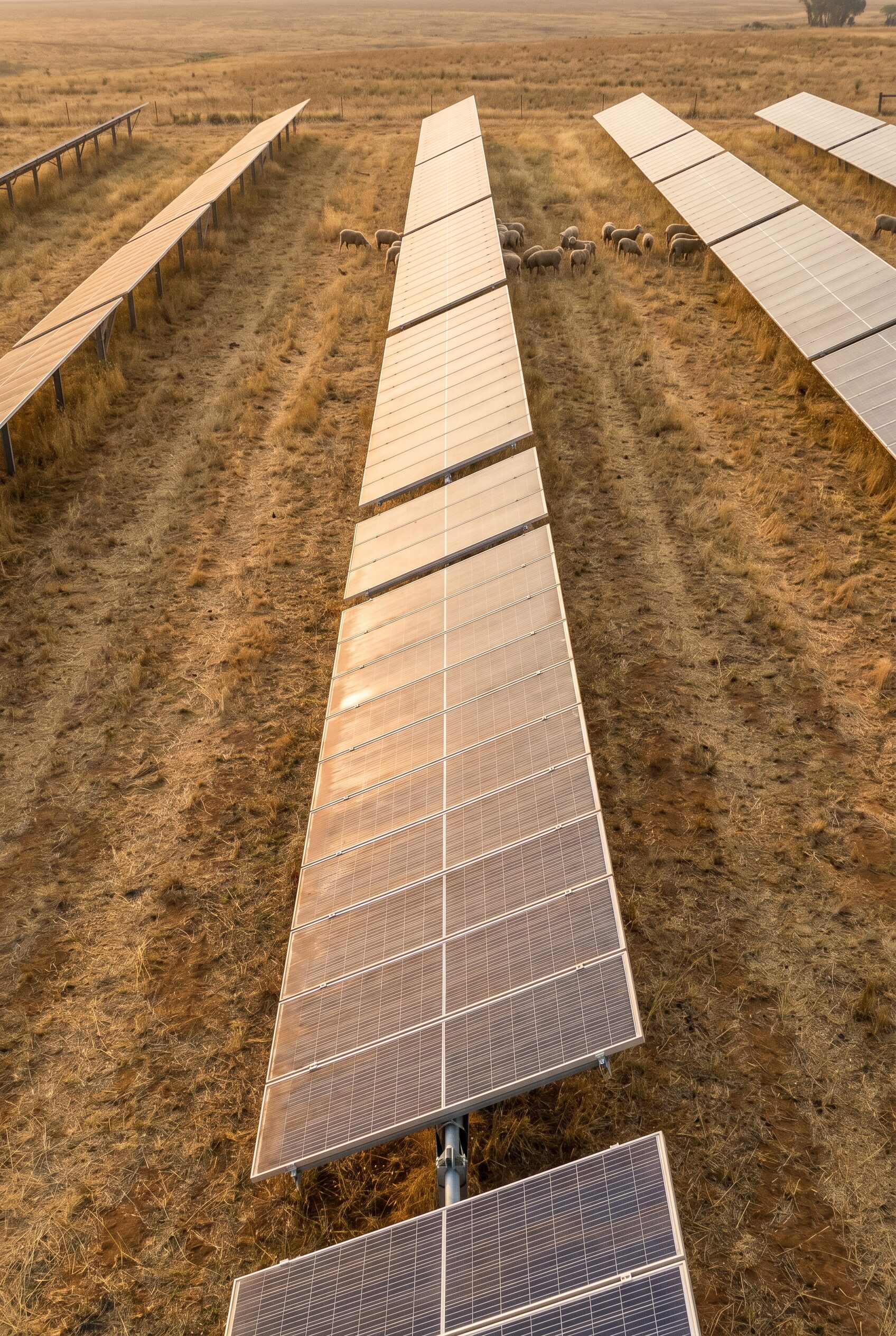
Aerial view of a country road running between dry paddocks and rows of solar panels, hills in the distance. Looking down a long row of solar panels in golden farmland, sheep grazing between the rows.
01. Passive income

A second income that runs alongside the farm.

A long-term lease with steady, indexed payments through the operating life of the project. Stable income, independent of weather or commodity cycles.

Merino sheep grazing beside a long row of solar panels in evening light.
A Volt solar farm sitting steady among dry paddocks.
02. Climate-risk diversified

Steady when the season isn't.

A parallel income stream that holds when drought, flood or market volatility hits. The farm keeps doing what the farm does. The lease keeps doing what it does.

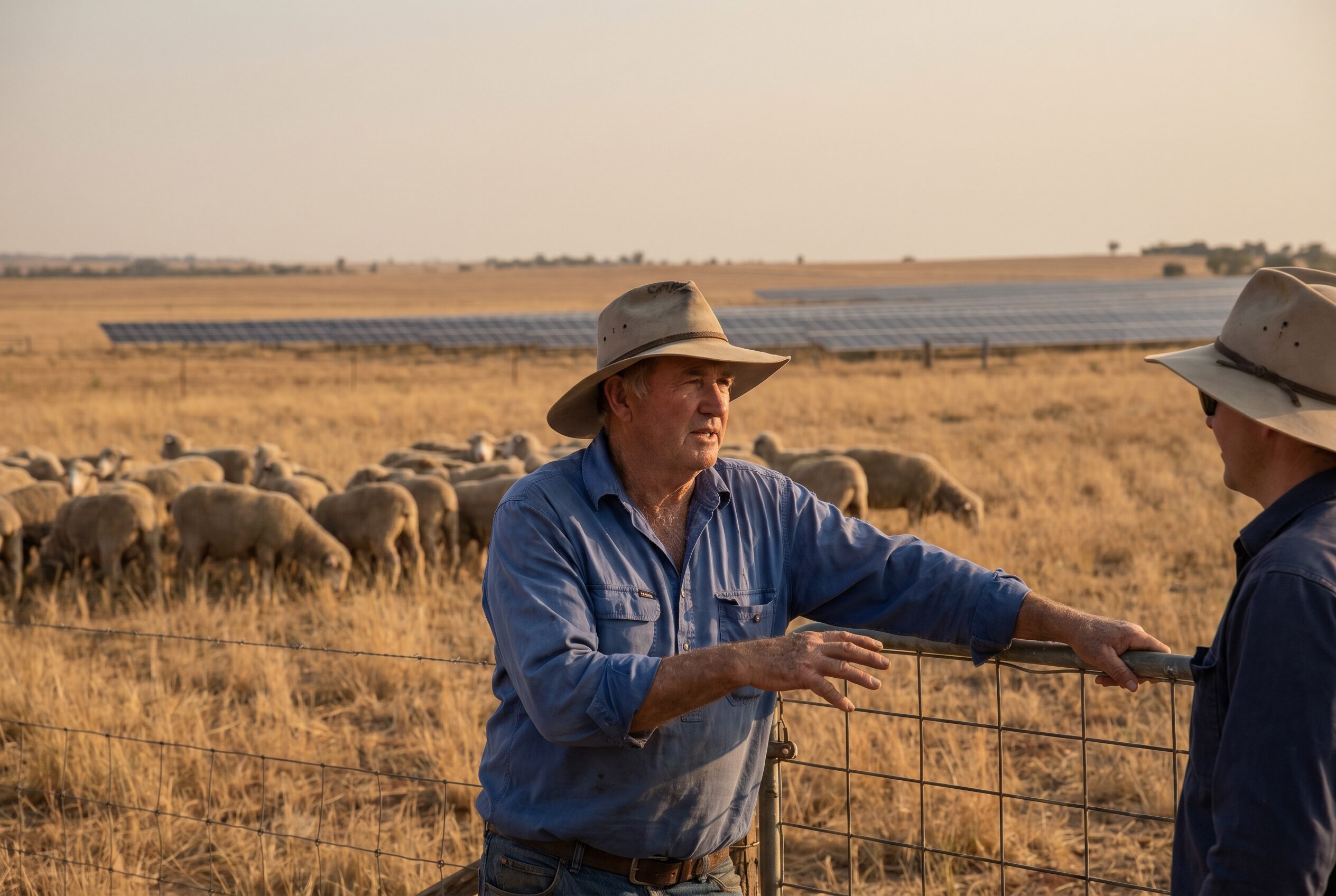
A farmer at a paddock gate talking with a visitor, sheep grazing behind them and solar panels low across the land.
Sheep grazing in open paddock alongside the solar rows. A merino sheep resting in the shade beneath a solar panel.
03. Livestock-friendly

Three metres up. Sheep below.

Panels sit three metres off the ground. Sheep graze beneath. Trials across Australia show improved fleece quality on merinos grazed under panels.

04. 100% reversible

At the end, exactly what it was.

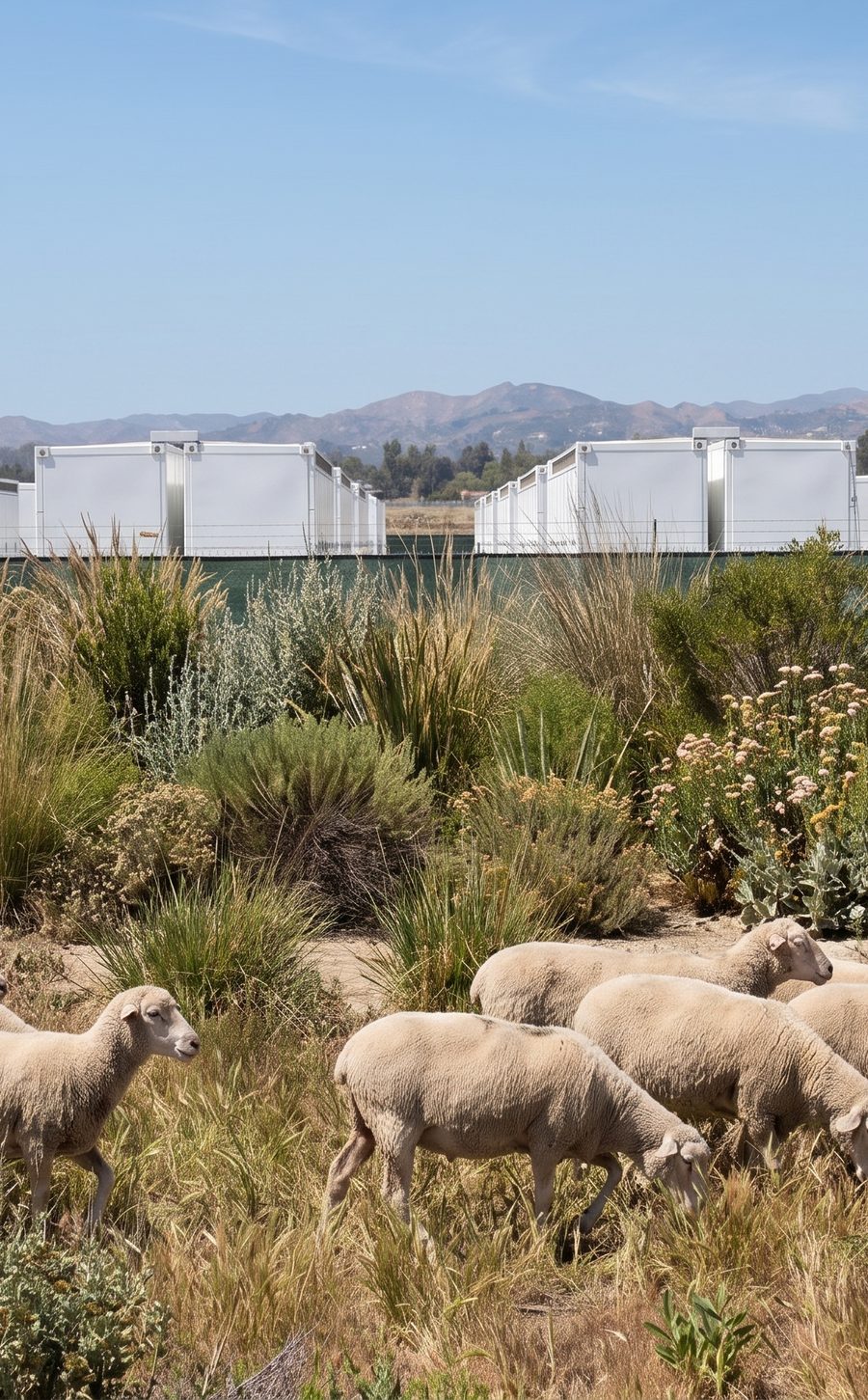
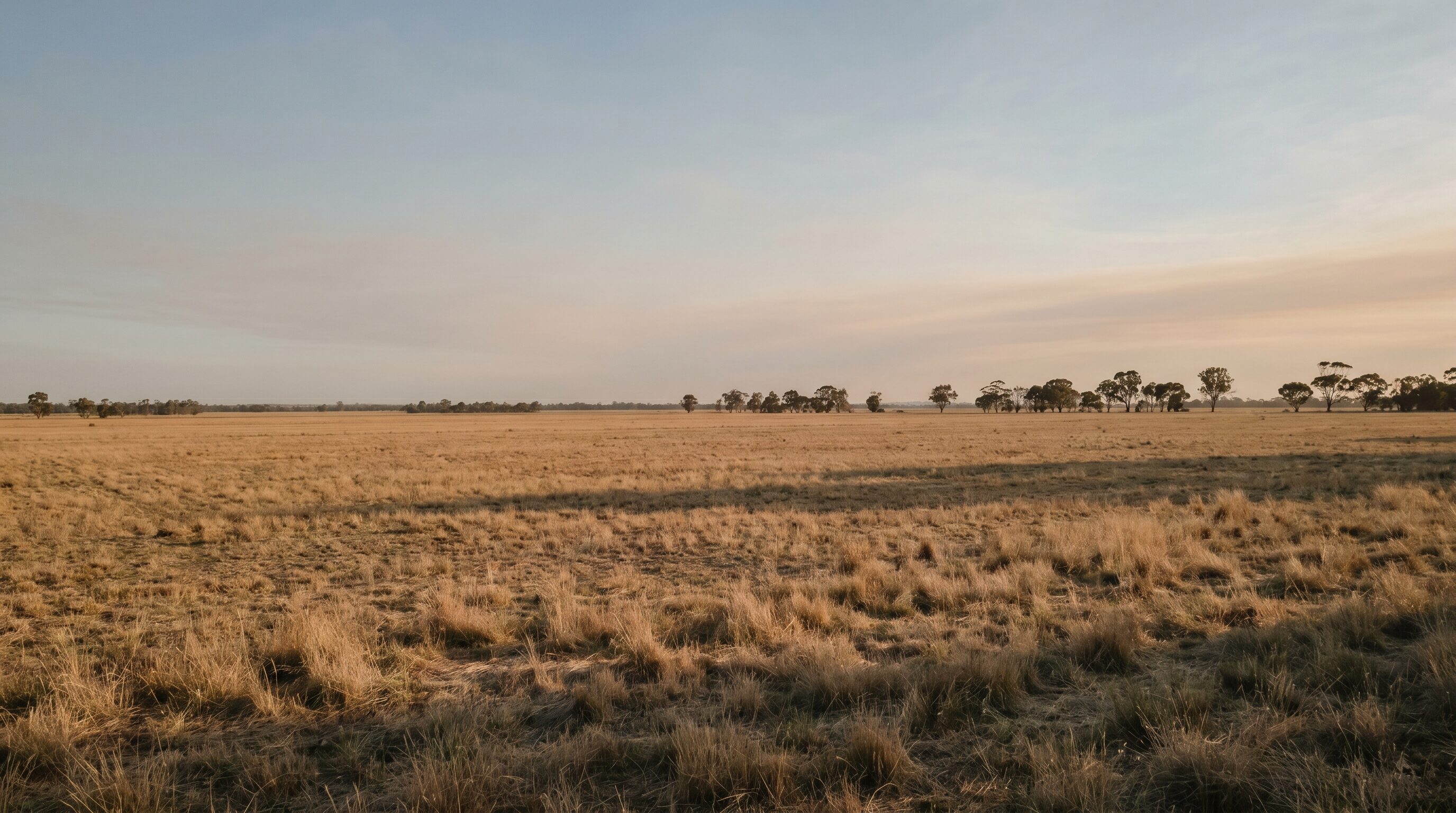
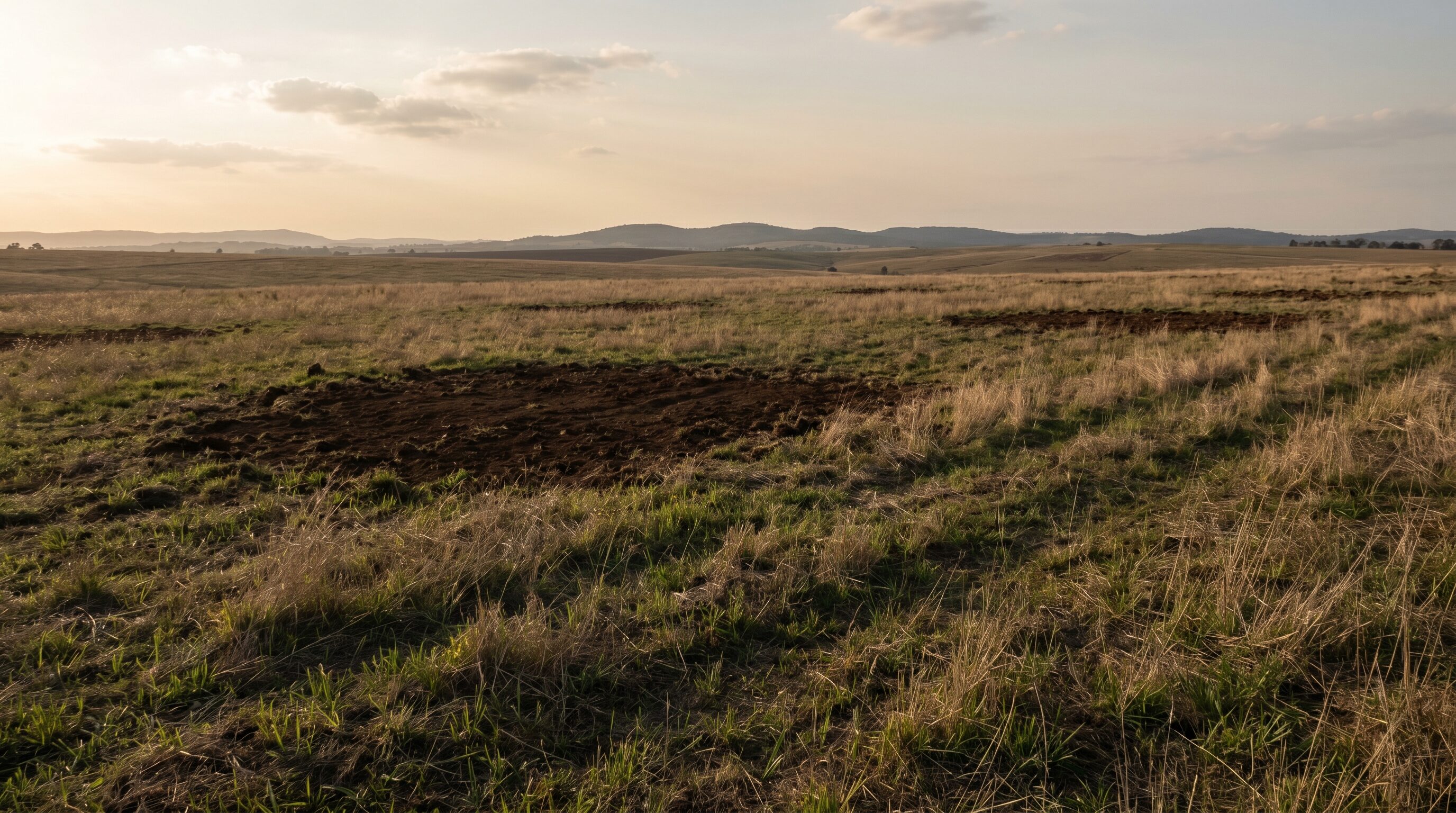
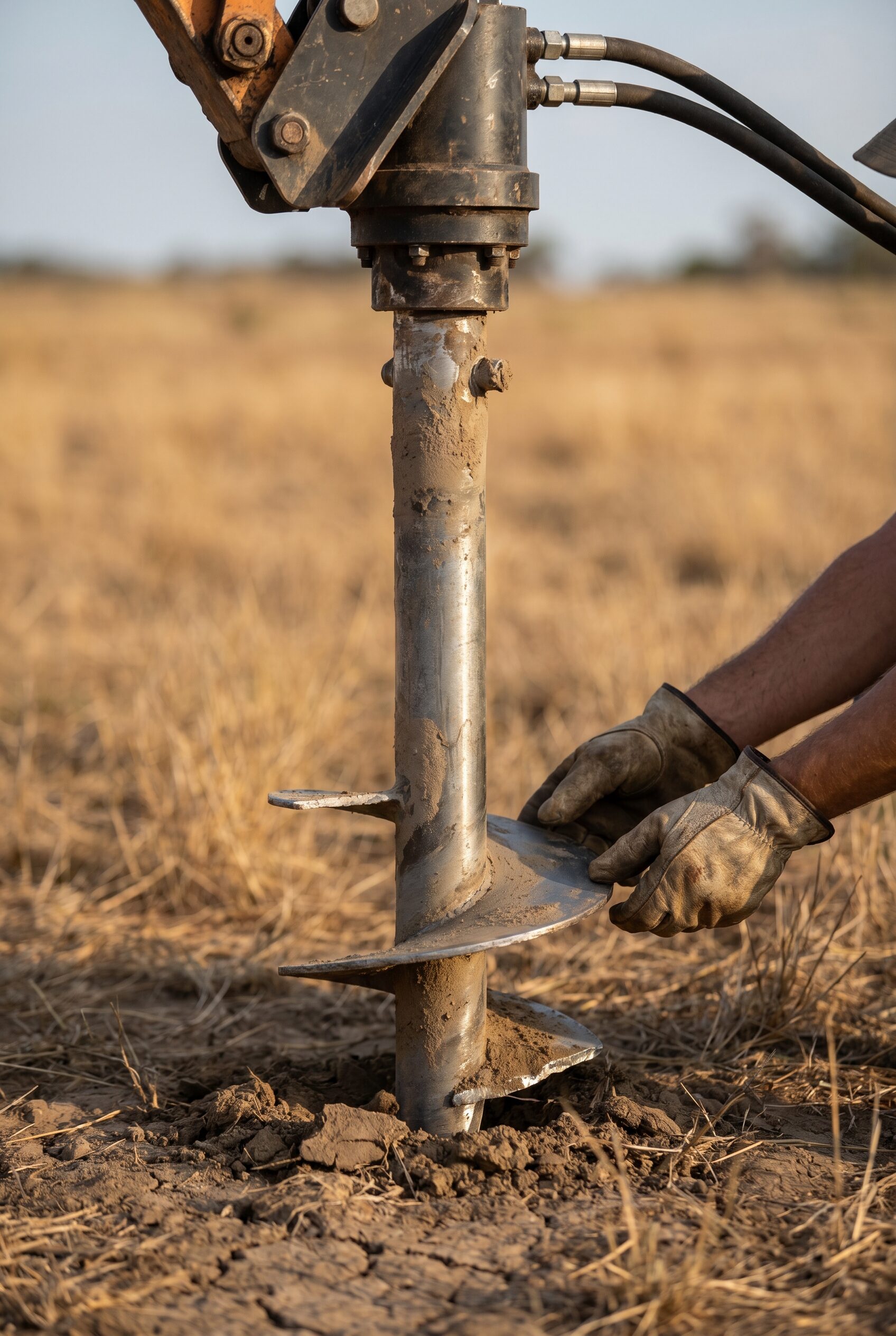
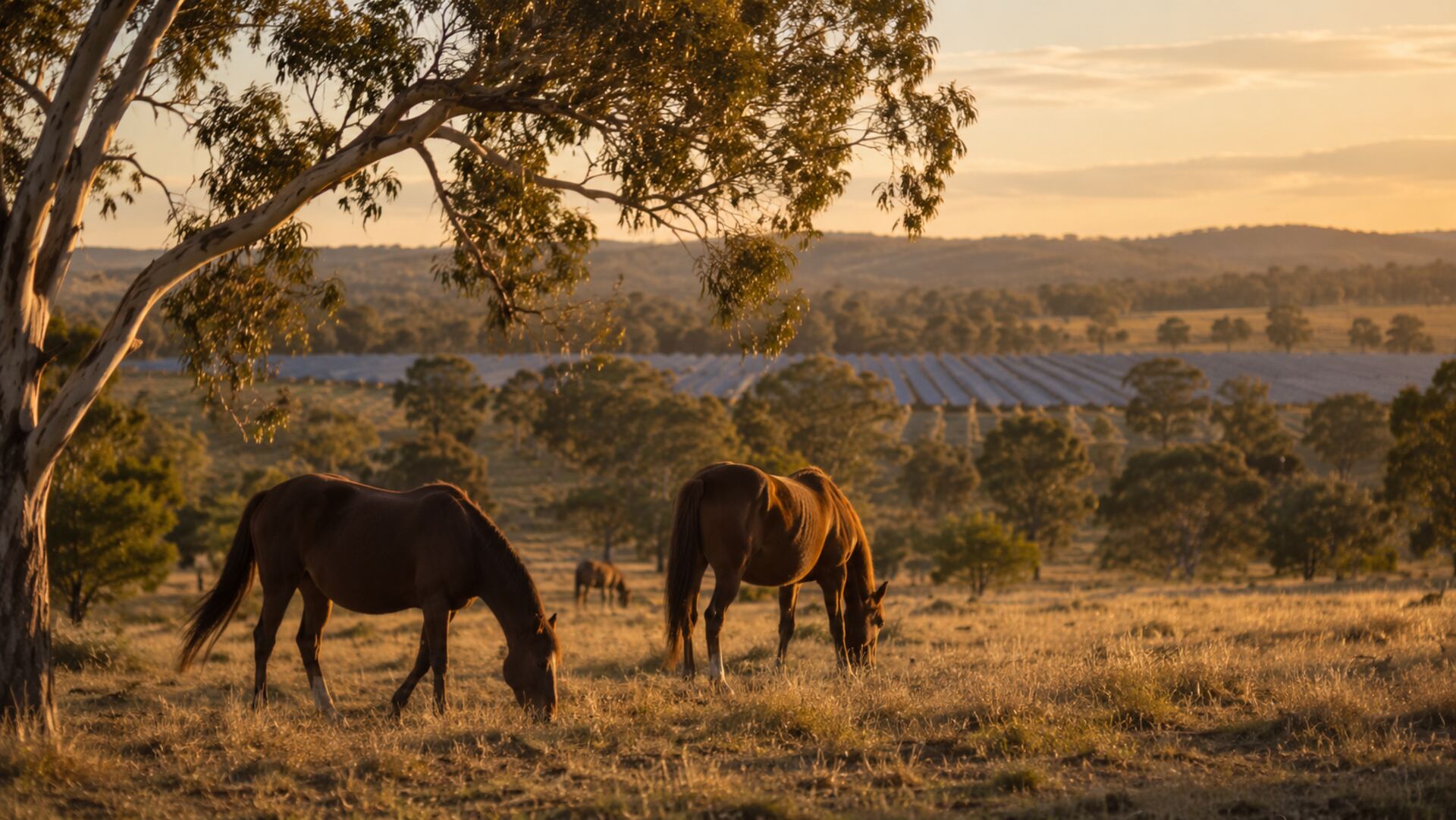
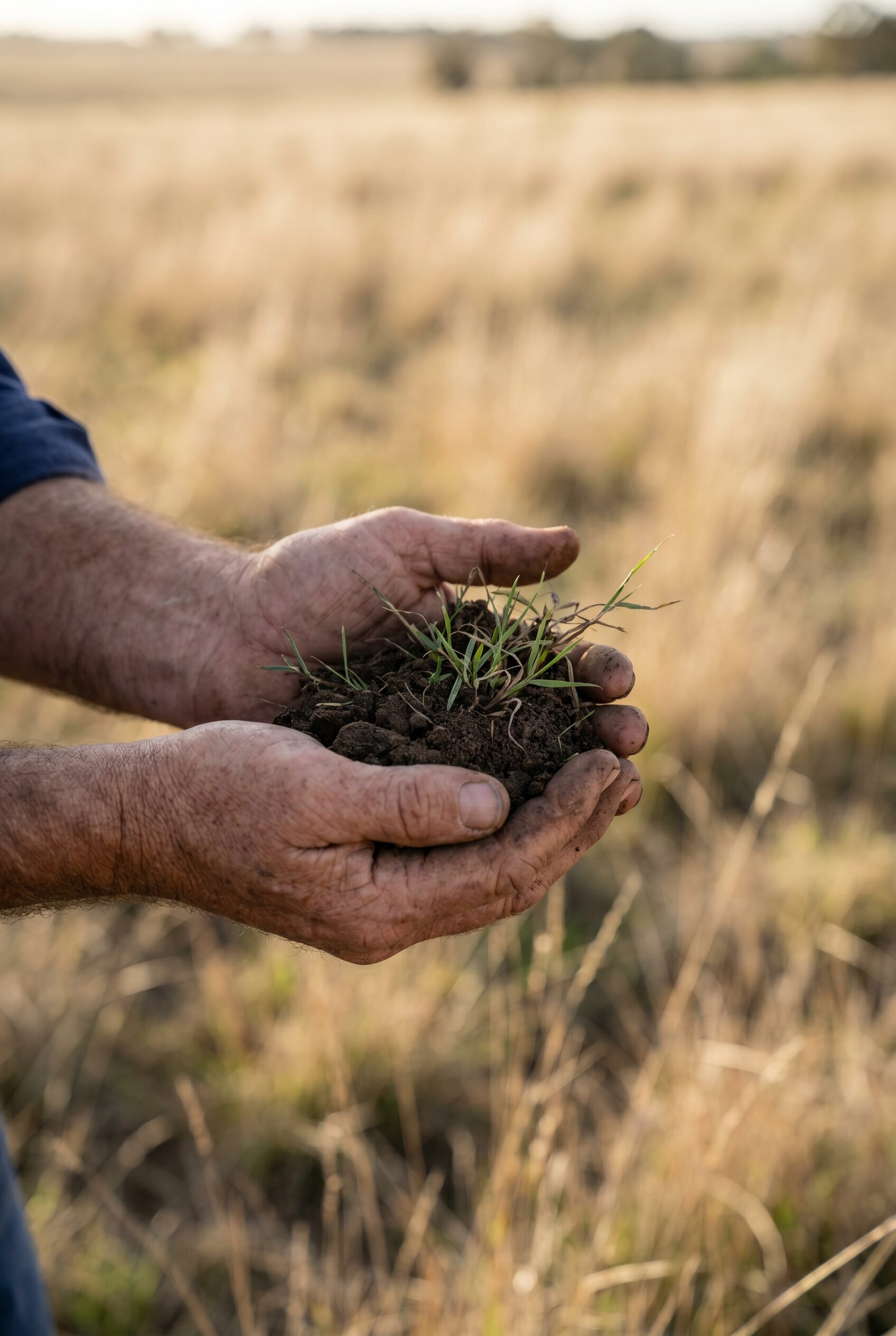
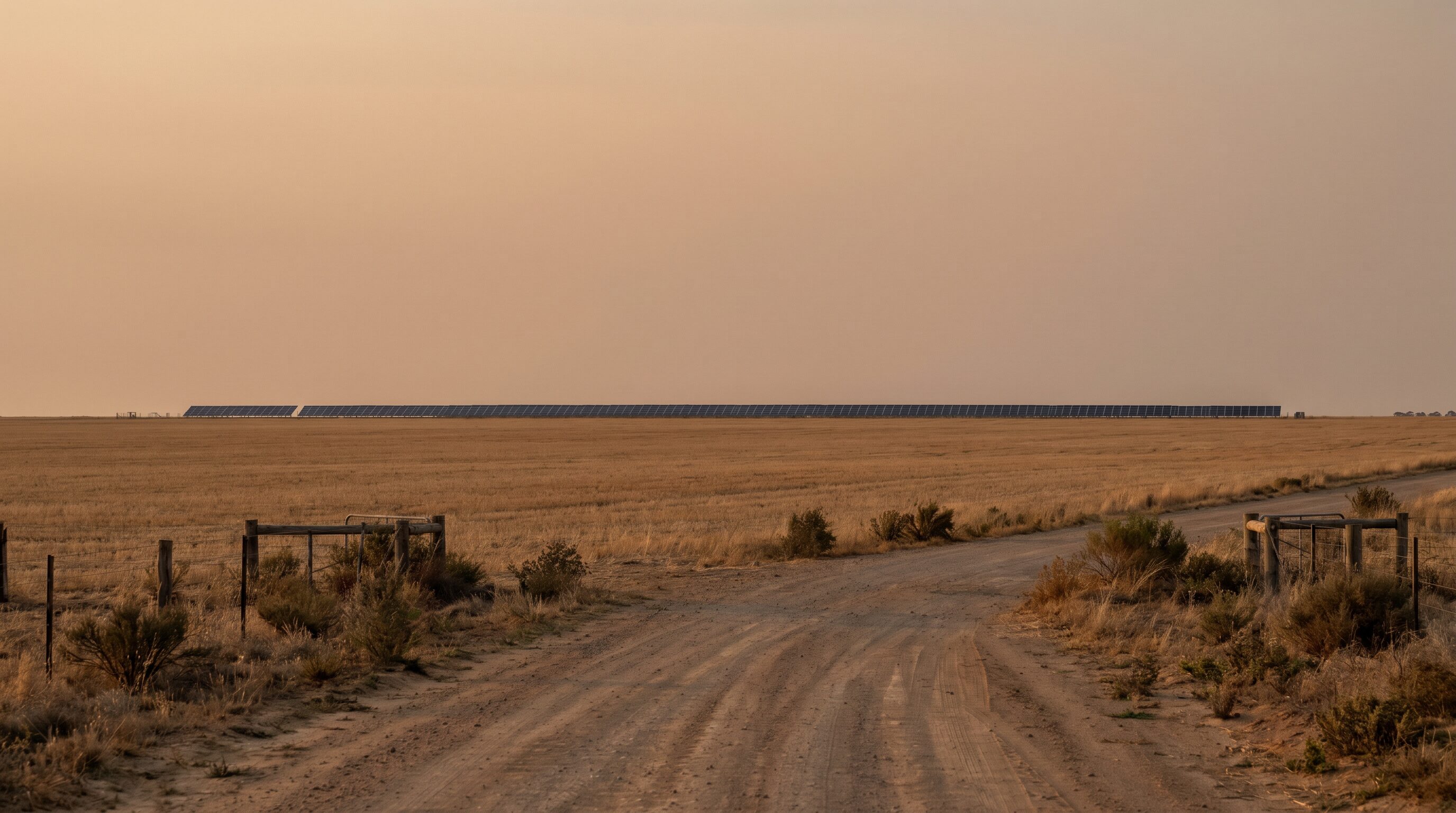
Vast flat golden paddock under a wide evening sky, nothing built on the land. Rows of white battery storage cabinets on a gravel pad in dry farmland, inverter skid at the front. Open paddock of regrowing green and gold grass, patches of healing soil, no structures left on the land. A steel screw-pile being lifted cleanly out of paddock soil, no concrete. Horses grazing open pasture, the land returned to itself. Weathered hands cupping dark soil and young native grass over regrown pasture. A small solar farm as a thin line on the horizon across vast flat farmland.

Everything comes out. No concrete footings, just screw-piles that unscrew. Cabling recovered. Panels recycled. The land returns to itself.

How it works

Two ways we meet. The same unhurried journey afterwards.

Most projects start with a phone call from a landowner who wonders if their paddock could work. Some start with us knocking on a door because the land looked right. Either way, what happens next is the same, and the heavy lifting sits on our side.

Pathway A, You come to us

You reach out about your land

Most of our partnerships begin with a landowner who's curious whether their property could host a solar farm. You make contact, we share what we know about the local grid and planning context, and we assess the land together.

  • You initiate the conversation
  • We respond within a week with an initial view
  • No obligation through to the option agreement
Pathway B, We come to you

We identify your site as strategic

Our engineering team continuously maps land near distribution and transmission infrastructure with available grid capacity. If your property fits that profile, we approach you directly with a proposal and the reasoning behind it.

  • We initiate the conversation, transparently
  • We share why your site stood out
  • The decision to proceed remains entirely yours
What the journey looks like

From first phone call to lights staying on.

Most projects take 1 – 4 years before the panels go in
Initial assessment
Option agreement
Planning & grid connection
Funding & construction
Operation & income
Two sizes of project

A paddock can power the town next door. Or it can help power a region.

Some sites suit a small project that feeds the local lines. Others sit close to the bigger wires and can hold something much larger. We'll know which yours is after the first visit, and we'll explain it in plain words before anything is signed.

/Sub 5MW

Enough to keep the town next door in light.

A modest patch of paddock, about the size of twenty footy fields, connected to the local power lines. Quicker to build, less infrastructure, and the energy stays close to home.

Land needed20–35 acres
Powers≈ 2,200 homes
Time to build12–24 months
Energy livesIn the local town
/Utility

Enough to help carry an entire region.

A larger paddock close to the bigger transmission lines. These projects usually pair solar with a Reserve battery, and they're the kind that quietly hold up the grid for the whole region, not just one town.

Land needed200+ acres
PowersTens of thousands of homes
Time to build2–4 years
Energy livesAcross the region
Community first

Three steps of engagement. No surprises.

Every Volt Projects site is developed in close consultation with the landowner, immediate neighbours, and the wider community. Our engagement framework is the same on every project, large or small.
Engage early Communicate clearly Respond transparently Drop-in sessions Local jobs Council partnership
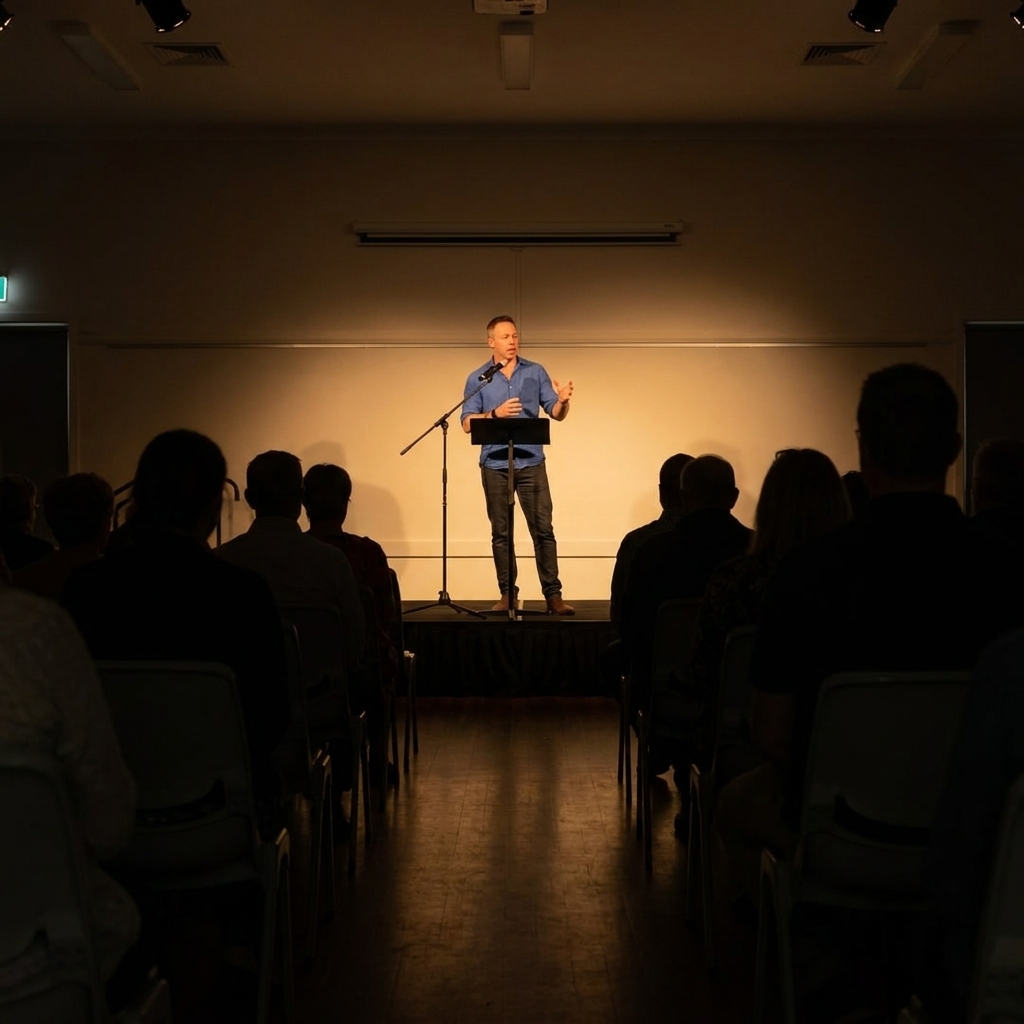
A Volt community engagement session, a representative speaking at a podium to a local audience in a regional town hall

Designed to sit lightly. Engineered to be removed.

The land

Panels sit hip-height, screened by hedging, almost invisible from the road. Foundations are screw-piles, not concrete. At the end of the lease, the land returns to exactly what it was.

Honest answers

The questions every landowner asks us first.

If you're wondering it, you're not the only one. Here's what we get asked most often, and what we say back.

How much will I earn per acre?
Lease value depends on several factors: agricultural value of the land, parcel size and topography, cost of grid connection from the site, and construction access. During lease negotiations our team completes full due diligence on each of these and proposes a value that works for both the landowner and the project. Rates are competitive and indexed annually.
What land is suitable for a solar farm?
Ideal land is relatively flat, not subject to heavy flooding, with limited heavy vegetation and good access to the electrical distribution network at 22 kV (for small-scale projects) or to transmission at 66 kV and above (for utility-scale). Land not currently under modernised irrigation is generally preferred.
How long does the process take?
Development takes between twelve months and four years from initial assessment to a constructed, operating asset, depending on project size, planning complexity, and grid connection timelines. We keep landowners informed at every stage.
How long is the lease, and can I change my mind?
A minimum thirty-year lease with an option to extend for a further thirty years is preferred. Once a binding option agreement is signed, it cannot be unilaterally cancelled, for this reason we encourage independent legal advice before signing.
What's the visual impact on my land?
All areas with visual impact are landscape-screened, this is assessed during the planning application process in consultation with both the landowner and immediate neighbours. Modern panels are designed to absorb light, so glare is minimal.
Can I keep using the land for agriculture?
Yes. Sheep grazing under panels is actively encouraged, it controls vegetation naturally and trials show improved fleece quality on merino sheep grazed under panels. We design layouts that accommodate continued agricultural use wherever possible.
How do you engage with the community?
We follow a three-step framework: engage early with stakeholders and neighbours, communicate openly throughout planning, construction and operations, and respond transparently to concerns. We hold drop-in sessions through development and stay in contact with the local community for the operating life of the project.
What happens at the end of the lease?
Construction is 100% reversible. At the end of the operating life we decommission the site fully, panels recycled, cabling recovered, screw-pile foundations removed, and return the land to its original condition. A decommissioning bond is in place from the outset to guarantee this.
Where this all goes

A paddock that pays for thirty years. A town with steadier light. A neighbour you can count on.

This is slow work. Honest work. The kind that ends with land restored, batteries returned to the recycler, and a thirty-year run of payments that landed exactly when they said they would. We'd love to do it with you.

Reach out

Wondering if your land might be the right kind of land?

Tell us a bit about your paddock and we'll come back with an honest first opinion. No commitment, no pressure, no salesman. Just a conversation, at whatever pace suits you.